MASP
logo-MASP Collection
  • TICKETS
  • Store
  • Support
  • Calendar

  • Search

  • PT/EN
close-icon
  • Meus dados
  • Sair
  • logo-MASP
  • SUPPORT
  • VISITS
    • CALENDAR
    • GETTING HERE
    • GROUP SCHEDULING
    • HOURS
    • MASP restaurant A Baianeira
    • MASP CAFÉ
    • MASP STORE
    • TICKETS
  • COLLECTION
    • ARTWORK LOANS
    • CONSERVATION AND RESTORATION
    • EXPLORE THE COLLECTION
    • IMAGE REQUESTS
    • SEARCH THE COLLECTION
  • Research Center
  • EXHIBITIONS
    • CURRENT
    • FUTURE
    • PAST
    • ANNUAL SCHEDULE
  • PUBLIC PROGRAMS
    • ART AND DECOLONIZATION
    • DIALOGUES IN THE COLLECTION
    • GROUP SCHEDULING
    • LECTURES
    • MASP Talks
    • MASP TEACHERS
    • SEMINARS
    • WORKSHOPS
  • COURSES
    • ALL
    • TEACHERS' SCHOOLARSHIPS
  • STORE
  • BECOME A MEMBER
  • ART EDITIONS
  • SHOWS AND EVENTS
  • PUBLICATIONS
  • ABOUT MASP
    • ANNUAL REPORTS
    • CONTACT-US
    • Masp Endowment
    • FINANCIAL STATEMENTS
    • GOVERNANCE
    • MEET THE TEAM
    • PARTNERS AND SPONSORS
    • Social Statute
    • SUPPORT MASP
    • SUSTAINABILITY
    • WORK WITH US
    • YOUR EVENT AT MASP
    • KEEPING IT MODERN GRANT
  • MUSEUM MAP
  • PT/EN
collection-item-img
collection-item-img
icon-a-track icon-a-track
go back
btn-back

Denilson Baniwa

Natureza Morta 1, 2016

  • Author:
    Denilson Baniwa
  • Bio:
    Barcelos, Amazonas, Brasil, 1984
  • Title:
    Natureza Morta 1
  • Date:
    2016
  • Medium:
    Fotografia digital, edição e impressão digital sobre papel
  • Dimensions:
    146 x 103 cm
  • Credit line:
    Doação anônima, no contexto da exposição Histórias da dança, 2020
  • Object type:
    Fotografia
  • Inventory number:
    MASP.11130
  • Photography credits:
    Denilson Baniwa
share

TEXTS


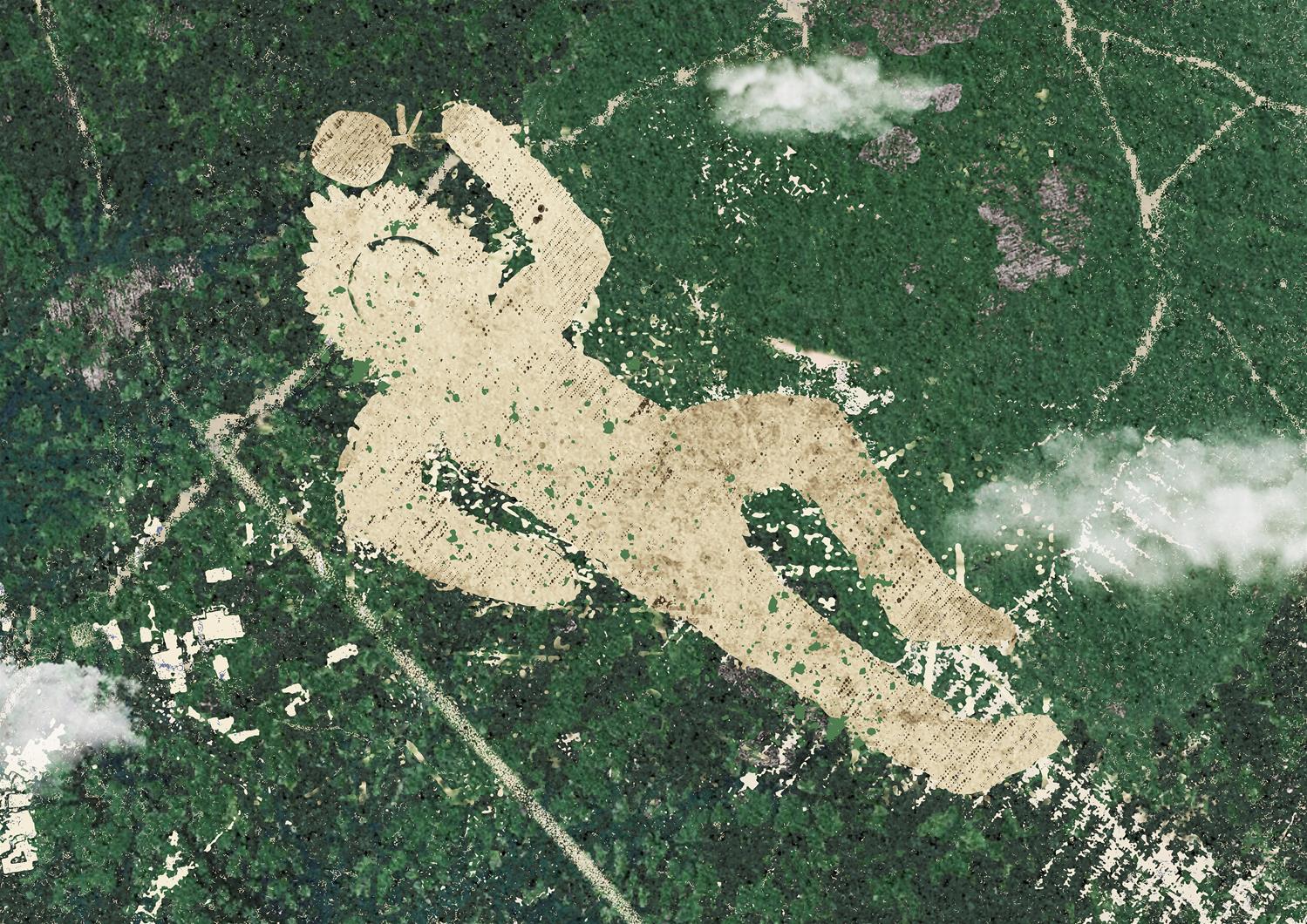
Indigenous artist and activist Denilson Baniwa produces photographic montages from collages on satellite images of deforested areas of the Amazon rainforest. In Natureza morta 1, he outlined the silhouette of an Indigenous leader in a ceremonial dance pode. The title refers to the Dutch painting genre of the seventeenth century, which stood out for the virtuous representation of lush and plentiful tables (nature) ready to receive its guests, but whose perishable aspect of the food and other objects arranged in it also symbolized the finitude of life (death) and the futility of these human pleasures. faced with the shaman’s ghost-silhouette in the shape of a denunciation against deforestation and enslavement of the native peoples and the exploitation of natural resources– body and territory– as the two primary targets of colonialism.

— Unknown Authorship


Related
works

image-legend

Search
the collection

Filter your search

CONNECT WITH US

logo-MASP

AV Paulista, 1578
01310-200 São Paulo-Brasil
+55 11 3149 5959
CNPJ 60.664.745/0001-87

  • ABOUT MASP
  • PRESS
  • CONTACT US